T echnology has always entered the studio—lenses, industrial pigments, photography, video, the network. What changed is speed: generative systems now propose images, text, and sound faster than critique can catch them.
Artists draft with diffusion models, train custom datasets, cut with CNC, and print on substrates that did not exist a generation ago. None of that automatically yields art. It yields options.
A21’s founding conviction—that art can awaken empathy and shared humanity—matters more when frictionless pictures can fill every feed. Founder Alend Hemsork’s story of closed doors and exile is not a caption. It is a reminder that biography and moral risk still decide which works refuse to behave like content.
Use this guide beside The Rise of Digital Art when purchases involve files, tokens, or luminous objects.
Amplifiers, Not Autopilots
Used well, AI and digital fabrication are assistants with patience: they stress-test compositions, translate drawings into fabricable form, or open material experiments. Used poorly, they average taste toward whatever was scraped into a training set.
Look for constraint documents—prompts treated as scores, datasets disclosed as ethics statements, post-production named as labor. The hand moves differently; the editorial cut must still belong to a person who will sign the wall label.
Hybrid practices on A21—digital images that become physical objects, ancestral or craft techniques in dialogue with code—often show the healthiest stance: curiosity without surrender.
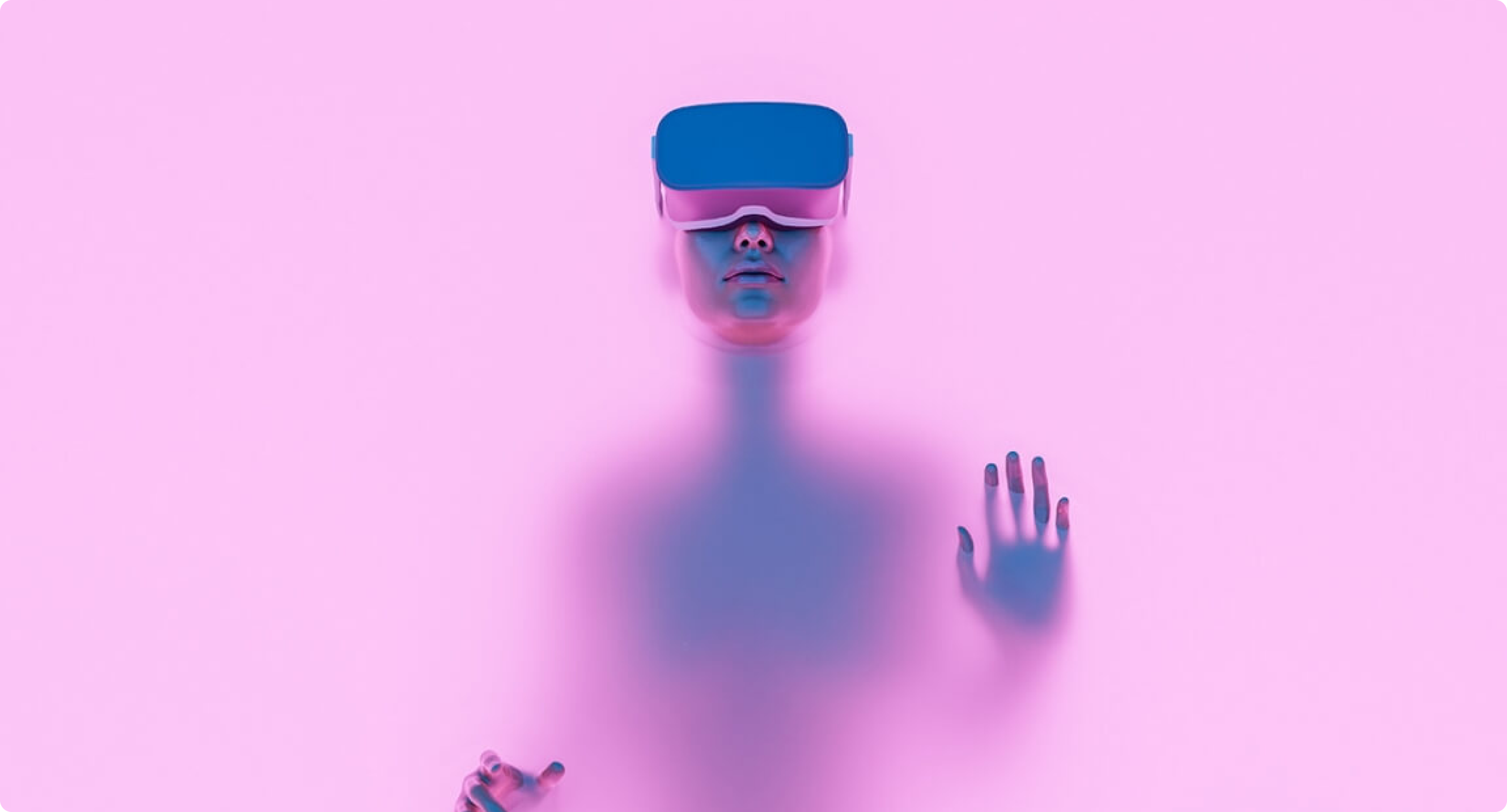
The Authorship Scorecard
Run five questions before you buy. Who set irreversible constraints? Who selected and destroyed outputs? Whose biography or research the work depends on? Who is credited if collaborators or training labor were involved? What remains if the tool vanishes tomorrow?
If you cannot answer those, you are funding a pipeline. Markets and museums are still negotiating credit for machine-assisted work; that uncertainty is a reason to demand process notes, not a reason to skip due diligence.
Watch labor ethics in the medium’s footprint: unpaid prompt farms, unconsented likenesses, energy costs. Asking aloud is part of collecting with integrity—see also Art and Ethics.
Why Human Stakes Still Decide Value
Emotion, exile, parenthood, political risk, and years of waiting for a first wall remain stubbornly human. A model can remix the surface of grief; it cannot have lived the closed door. Those stakes are why certain works hold rooms after the novelty of the tool expires.
Edition logic, unique physical counterparts, and site-specific layers can restore scarcity without pretending the computer never helped. Scarcity without authorship is only marketing.
Technology widens the horizon. It does not dissolve responsibility. Buy where a named artist accepts critique—and walk away from demos dressed as destiny.
Art is not tied to technology, but technology can broaden the horizons of art
Hans Haacke
Ten-out-of-ten collecting in a tech era means buying signed responsibility, not infinite options. Follow artists who remain accountable for meaning. Then new tools look less like a threat to art and more like another chapter in its material history. For how digital purchases should be filed and migrated, read The Rise of Digital Art.